
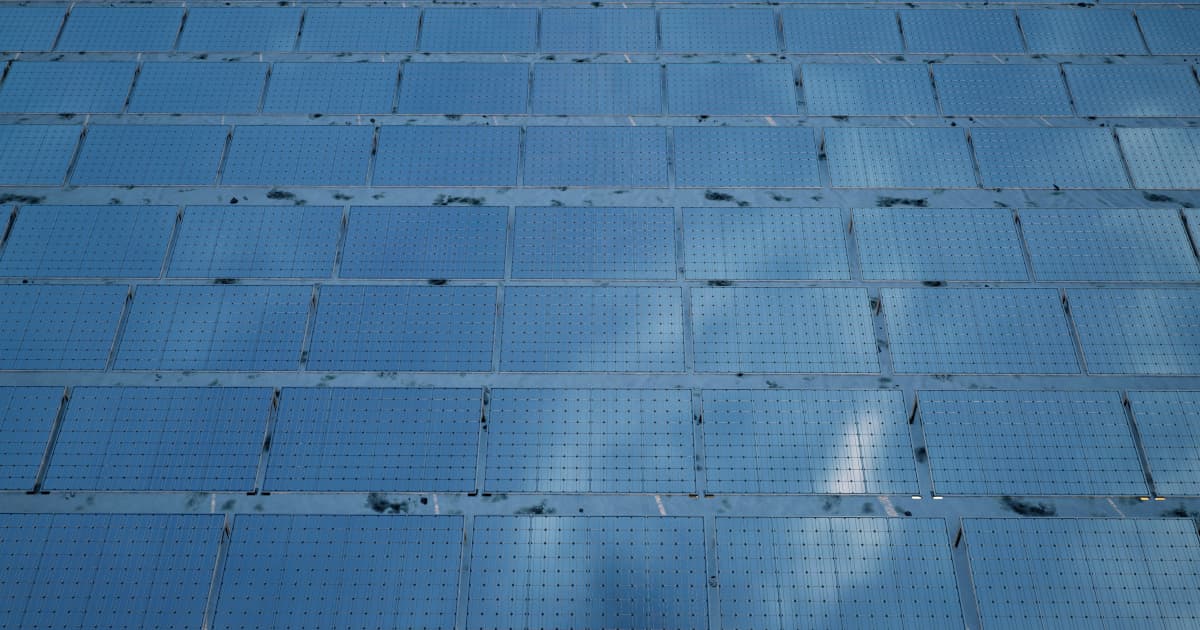
PowerBank Corporation is advancing three community solar projects in Nova Scotia that will significantly contribute to the province's renewable energy infrastructure. The developments in Sydney, Brooklyn, and West Petpeswick represent a combined 12.4 MW DC of solar capacity and are expected to generate approximately 14,369 megawatt hours of clean energy annually. The environmental impact of these projects is substantial, with estimated annual reductions of roughly 10,058 tonnes of carbon dioxide emissions. This reduction is equivalent to removing 3,081 passenger vehicles from the road each year.
The projects align with Nova Scotia's ambitious target of sourcing 80% of its electricity from renewable sources by 2030, representing a meaningful step toward that goal. Construction for the three solar installations is scheduled to begin in spring 2026, pending final interconnection results and securing of project financing. The company has indicated that project details and progress updates will be available through their official communications channels at https://ibn.fm/KEBUi. The timeline reflects the careful planning and regulatory considerations involved in developing renewable energy infrastructure at this scale.
Beyond environmental benefits, the projects promise significant economic advantages for local communities. Lifetime savings for the affected communities are estimated at $6.95 million, providing long-term financial relief and stability for residents. The energy output will be sufficient to power the equivalent of 1,140 homes annually, demonstrating the substantial capacity of community solar to meet local energy needs while reducing reliance on traditional power sources. PowerBank, trading on multiple exchanges including NASDAQ as SUUN, specializes in distributed and community solar initiatives throughout Canada and the United States.
These Nova Scotia projects represent the company's continued expansion in the renewable energy sector and its commitment to developing sustainable energy solutions that benefit both the environment and local communities. The forward progress on these installations comes as many regions seek to accelerate their transition to cleaner energy sources amid growing climate concerns. The combined impact of reduced emissions, community savings, and renewable energy generation positions these projects as significant contributors to Nova Scotia's clean energy future.